2026 How to Choose the Right Filing Cabinet?
Choosing the right Filing Cabinet is not simply a matter of picking the largest drawer or the lowest price. It affects document security, daily workflow, office space, and long-term organization. A cabinet that looks practical in a showroom may become awkward when drawers jam, labels fade, or files grow heavier than expected.
David Allen, a respected productivity and information-management expert, offers a useful principle: “Your mind is for having ideas, not holding them.” His advice supports a clear filing system, but the cabinet still needs careful selection. Consider the documents you actually handle. Paper size, file volume, access frequency, privacy needs, and available floor space all matter. Fire resistance may also deserve attention when storing essential records.
Think beyond appearance.
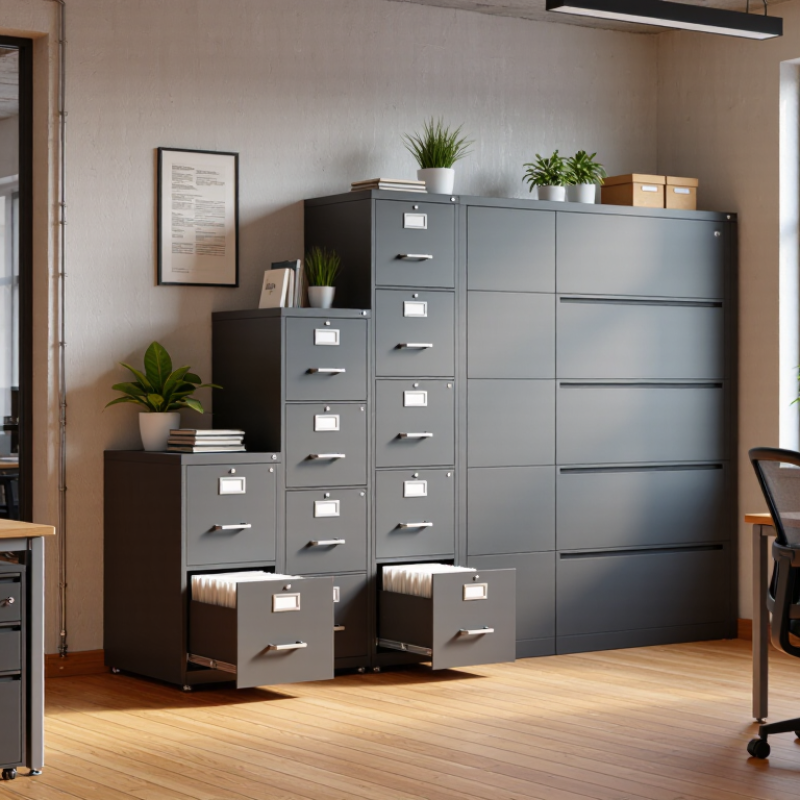
A two-drawer Filing Cabinet may suit a home office, while a five-drawer vertical model can support a busy administrative team. Lateral cabinets provide wider access and may reduce reaching, but they often require more wall space. Locking mechanisms add protection, although a basic lock cannot replace sensible access control. Steel construction usually offers durability, yet poor-quality runners can still make everyday use frustrating.
My own mistake would be choosing capacity without measuring the room first. That detail seems minor. It is not. This guide examines cabinet types, materials, safety features, dimensions, and maintenance requirements, helping readers compare real workplace needs with manufacturer claims. The best choice is not always the most expensive model. It is the cabinet that keeps records accessible, protected, and manageable for years.
Define Your Filing Needs and Storage Goals
Choosing a filing cabinet in 2026 starts with a clear inventory, not a color preference. Record what must be stored: invoices, project folders, contracts, samples, or archived records. Measure current paper volume for one month, then estimate growth for three years. Small offices often underestimate seasonal overflow. That mistake becomes expensive. Separate active files from rarely opened records. Active documents need quick access, while archives can use deeper drawers or a compact vertical unit.
Storage goals should include capacity, retrieval speed, privacy, and room usage. Count folders by category and allow space for labels, dividers, and future additions. A drawer filled to the edge may look efficient, but it slows every search. Leave a little breathing room. Check drawer extension, weight limits, lock quality, and stability before purchasing. Manufacturer specifications and workplace safety guidance provide useful evidence, but measurements should be verified onsite. A cabinet near a walkway needs stable construction and smooth operation.
Match the cabinet format to the workflow. A lateral design supports wide folders and shared access, while a vertical design saves floor width. Digital indexing may reduce paper, yet confidential originals still need controlled storage. Consider who retrieves files, how often, and whether access should be limited. I have seen teams buy extra capacity and still struggle because categories were unclear. The cabinet was not the real problem. A simple naming plan, monthly cleanup, and one responsible custodian can improve reliability. Review the plan after several weeks; actual usage may challenge sensible assumptions.
2026 How to Choose the Right Filing Cabinet?
Define Your Filing Needs and Storage Goals
How to use this chart: Measure the largest documents you need to store before selecting a filing cabinet. A4, A3, Letter, and Legal dimensions are standard paper sizes. Choose a cabinet that provides enough internal width and depth for your largest format, with additional clearance for folders and labels.
Dimensions shown in millimeters. A4 and A3 follow ISO 216; Letter and Legal are commonly used North American paper sizes.
Compare Filing Cabinet Types, Sizes, and Capacity
How to Choose the Right Filing Cabinet?
Compare Filing Cabinet Types, Sizes, and Capacity
Choosing a filing cabinet starts with the documents you actually handle. Vertical cabinets suit narrow offices because folders hang front to back. Lateral cabinets use wider drawers, allowing files to sit side by side. They are easier to scan quickly, but they need more wall space. Mobile cabinets fit beneath desks and help flexible teams. Their smaller drawers usually offer less capacity.
Measure the available floor area before comparing models. A cabinet around 30 inches wide may suit letter-size folders, while legal files often need deeper drawers. Check the internal dimensions, not only the outside measurements. A drawer listed as “two-drawer” does not reveal its usable capacity. File thickness matters. A crowded drawer can bend folders and strain the runners. Leave a small gap for smooth movement.
Capacity is often described by linear filing inches. One drawer holding 24 to 36 linear inches may suit a small department, but paper volume changes quickly. My first estimate was too optimistic. Count your current files, then add room for growth. Look for full-extension slides, adjustable guides, anti-tip protection, and a lock suited to your workplace. For sensitive records, verify the cabinet’s tested fire or security rating instead of trusting vague claims. A heavy steel cabinet may feel secure, yet poor drawer balance can still create daily frustration. Test the opening action, noise, and handle height if possible. Small details matter.
Evaluate Materials, Security Features, and Accessibility
2026 How to Choose the Right Filing Cabinet?
A filing cabinet should match its working environment, not merely its appearance. Powder-coated steel handles daily use well and resists surface scratches. Thicker panels usually feel steadier when drawers are fully loaded. However, heavy steel can increase delivery effort and floor pressure. Recycled materials may reduce environmental impact, but inspect their durability carefully. A cabinet that bends after one busy year is not a responsible choice.
Security features deserve practical testing. Choose a lock that feels smooth and remains secure after repeated use. Keyed locks are simple, while electronic options may offer access records and easier permission changes. Check whether the cabinet prevents multiple drawers from opening together. This anti-tip design reduces dangerous forward movement. I once selected a cabinet with an impressive lock, but its drawer alignment failed. Security is useless when daily operation becomes unreliable.
Accessibility affects every user, including people working from seated positions. Drawers should open with modest force and provide clear hand space. Place frequently used files between knee and shoulder height. Label holders should remain visible without bending or stretching. Test the cabinet with real folders, not empty drawers. Small details matter. Leave enough aisle space for turning and opening drawers safely. Reconsider your choice if one person can use it comfortably, but another cannot.
Check Space Requirements, Mobility, and Office Compatibility
2026 How to Choose the Right Filing Cabinet?
Before choosing a filing cabinet, measure the actual space, not just the empty wall. Record the available width, height, and depth. Leave room for drawers to open fully. A cabinet placed beside a desk may need an extra 70 centimeters of clearance. Check doorways, elevators, and turning points before delivery. Small details matter.
Mobility also affects daily efficiency. Fixed cabinets suit stable records rooms, while units with smooth casters work better in flexible offices. Test the wheels on carpet, tile, and uneven flooring. A full drawer can become surprisingly heavy. Choose a design with stable movement and a secure locking mechanism. Avoid placing a mobile cabinet where it blocks emergency routes or working aisles.
Office compatibility involves more than appearance. Compare the cabinet height with nearby desks and storage units. Matching heights can create a continuous work surface and reduce visual clutter. Check drawer capacity against your folders, document sizes, and expected growth. A cabinet that fits today may feel cramped next year. Do not rely only on listed dimensions; handles, hinges, and drawer extensions can change the usable space. No planning method is perfect. Recheck the measurements after furniture installation, because real offices often differ from floor plans.
Balance Quality, Budget, Maintenance, and Future Expansion
2026 How to Choose the Right Filing Cabinet?
Balance Quality, Budget, Maintenance, and Future Expansion
Choosing a filing cabinet in 2026 means planning beyond today’s price. Quality should support daily use, not simply create a heavier product. Check drawer alignment, steel thickness, smooth runners, stable feet, and a dependable lock. Open each drawer fully. Listen for scraping. Small noises often reveal poor tolerances before failure becomes expensive. A cabinet should also match the room’s humidity, traffic, and floor condition.
Budget decisions need a wider view. A cheap cabinet may require earlier repairs, replacement keys, or drawer adjustments. Compare the purchase price with delivery, installation, cleaning, and expected service life. Ask for clear warranty terms and maintenance guidance. Avoid paying for features nobody will use. That sounds obvious, but offices often choose complex locking systems without checking staff needs. The cheapest option is rarely the most economical one.
Future expansion deserves a physical plan. Measure wall space, doorway width, elevator access, and floor load limits before ordering multiple units. Leave room for additional records, safer movement, and easier cleaning. Consistent cabinet dimensions can simplify later expansion and reduce visual clutter. Choose replaceable parts where practical, especially handles, locks, and drawer runners. I would not pretend every forecast will be accurate. Records may grow faster than expected, or digital storage may reduce demand. Keep some flexibility, but avoid buying empty capacity that occupies valuable space.
2026 How to Choose the Right Filing Cabinet? - Balance Quality, Budget, Maintenance, and Future Expansion
| Filing Cabinet Type | Typical Purchase Price (USD) | Construction and Quality | Approximate Capacity | Load Capacity per Drawer | Security Features | Annual Maintenance Cost | Expected Service Life | Future Expansion Suitability | Estimated 5-Year Cost | Best Use Case |
| 2-Drawer Vertical Steel Cabinet | $180–$320 | Powder-coated steel body; ball-bearing suspension on mid-range models | Approximately 180–240 letter-size folders | 35–50 kg | Central key lock; anti-tilt interlock on better-built models | $10–$20 | 10–15 years | Medium | $230–$420 | Small offices with limited filing volume and a tight budget |
| 4-Drawer Vertical Steel Cabinet | $300–$550 | Heavy-gauge steel; reinforced frame; full-extension drawer runners | Approximately 360–480 letter-size folders | 40–55 kg | Central lock, anti-tilt mechanism, and optional floor anchoring | $15–$25 | 12–18 years | High | $375–$675 | Growing offices that need high capacity in a compact footprint |
| 2-Drawer Lateral Steel Cabinet | $350–$650 | Wide reinforced steel body; smooth side-to-side filing access | Approximately 300–420 letter-size folders | 45–65 kg | Central lock, anti-tip design, and optional divider systems | $15–$30 | 12–18 years | High | $425–$800 | Departments requiring frequent access and efficient use of wall space |
| 3-Drawer Lateral Steel Cabinet | $500–$900 | Heavy-duty steel construction; reinforced top and high-load suspension | Approximately 450–630 letter-size folders | 50–70 kg | Central lock, anti-tip system, and optional anchoring hardware | $20–$35 | 15–20 years | Very High | $600–$1,075 | Medium-sized records areas planning for substantial future growth |
| Fire-Resistant Filing Cabinet | $900–$2,000 | Insulated multi-layer construction; certified fire-resistance rating required | Approximately 180–360 letter-size folders | 30–50 kg | Fire-resistant lock, heat-activated seals, and optional water resistance | $35–$75 | 15–25 years | Medium | $1,075–$2,375 | Protection of legal, financial, personnel, or irreplaceable paper records |
| Mobile Pedestal Filing Cabinet | $250–$600 | Steel or steel-and-laminate construction; lockable casters and compact drawers | Approximately 120–220 letter-size folders | 25–40 kg | Central lock, anti-tilt mechanism, and lockable wheels | $15–$30 | 8–12 years | Medium | $325–$750 | Personal workstations, flexible offices, and space-constrained layouts |
Cost figures are typical 2026 market ranges in the United States for standard commercial products. Capacity estimates assume standard letter-size folders with moderate paper loading. Five-year cost is calculated as the purchase price plus five years of routine maintenance, excluding delivery, installation, taxes, repairs caused by misuse, and replacement locks.