What is Building Exterior Renderings and Why Are They Important?
Building Exterior Renderings play a crucial role in the architecture and construction industry. These visual representations help clients and stakeholders understand the final look of a building. According to a recent report from ArchDaily, 85% of architects believe effective renderings improve client communication. This statistic highlights the importance of clarity in visual presentations.
When developing these renderings, it’s essential to balance aesthetics and technical accuracy. High-quality images capture design elements, materials, and textures. However, some renderings may create unrealistic expectations. A study by Statista indicates that 72% of clients prefer realistic representations that might include imperfections. This emphasizes the need for authenticity in building exterior renderings.
Moreover, using advanced software tools can enhance the planning process. Software such as SketchUp and Lumion have transformed the way architects visualize projects. However, it requires skilled professionals to utilize these tools effectively. In this constantly evolving field, ensuring quality and reliability remains a challenge. Embracing a blend of artistic vision and technical expertise is key to mastering building exterior renderings.
What Are Building Exterior Renderings?
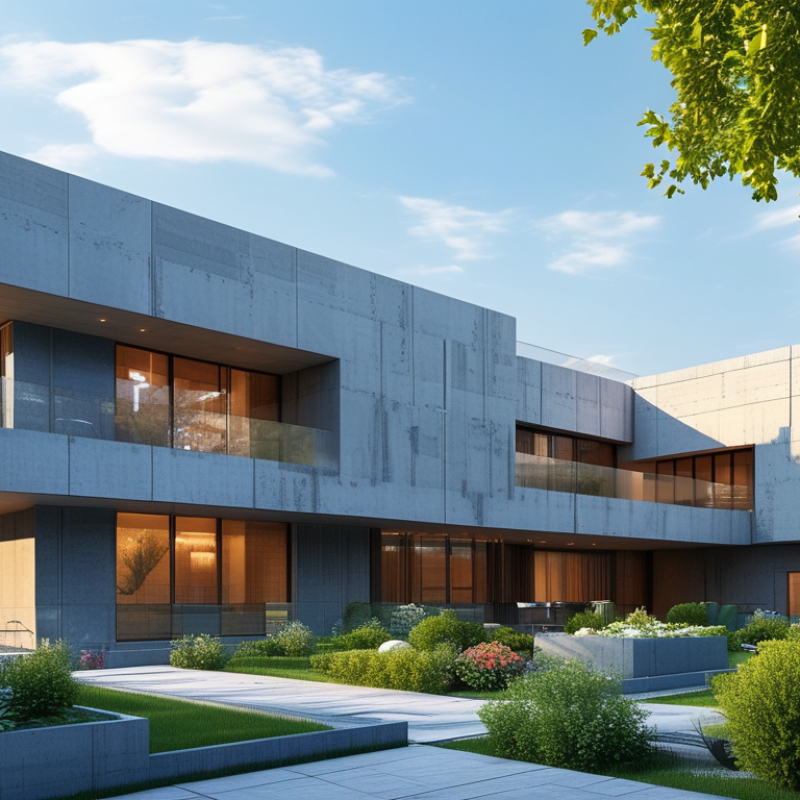
Building exterior renderings are detailed visual representations of a building's outer appearance. They are crucial in the architecture and design process. These renderings visualize the design concept before construction begins. This allows stakeholders to assess aesthetics, materials, and overall impact.
Each rendering communicates a unique idea. Designers often use vibrant colors and realistic textures to evoke emotions. Clients can see their future property clearly, making informed decisions. However, over-reliance on idealistic renderings can lead to disappointment. It's vital to balance creativity with realistic expectations.
Tips: Engage with professionals to refine your designs. Their expertise can enhance the rendering quality. Regular feedback from clients can ensure the final result aligns with their vision. Revisiting and adjusting renderings based on evolving design elements can lead to better outcomes, even if it means extra work. Each revision offers a learning opportunity.
The Techniques Used in Creating Exterior Renderings
Creating exterior renderings is an intricate process that combines artistry with advanced technology. Various techniques are employed to achieve realistic representations. Often, artists start with 3D modeling software to create basic structures. They then add textures and materials to simulate real-world elements like brick, wood, or metal.
Rendering typically involves the use of lighting techniques. Natural light plays a significant role in establishing mood and depth. Artists must consider shadows and highlights to enhance the visual appeal. This process can be tedious and requires attention to detail. Sometimes, this leads to overcomplicating compositions or misrepresenting actual colors.
Post-processing is also crucial. Artists often employ software like Photoshop to tweak colors and add effects. While this enhances visuals, it can occasionally result in unrealistic outcomes. Striking the right balance between imagination and reality is a constant challenge. Each rendering can be a learning experience, revealing new areas for improvement.
Key Features of Effective Exterior Renderings
Effective exterior renderings play a crucial role in the architectural design process. These visual representations help communicate the intended look and feel of a building. A well-executed rendering showcases materials, colors, and textures. This helps clients visualize the end product. It can also spark conversations about design elements that may need adjustments.
Key features of good exterior renderings include realistic lighting and shadow details. These elements can enhance depth and dimension, making the design more engaging. Additionally, including landscaping and surroundings in renderings provides context. This helps clients see how the building fits into its environment. However, some renderings can be overly polished. They might not accurately reflect the final product, leading to misunderstandings.
Moreover, effective exterior renderings often highlight unique architectural details. Windows, doors, and facades should be depicted clearly. These features should invite further dialogue about potential changes. Sometimes, architects may overlook small details. Reflecting on these aspects can lead to more thorough planning. Realistic renderings not only attract clients but also serve as a communication bridge between design teams and stakeholders.
The Role of Exterior Renderings in Architectural Design
Exterior renderings play a pivotal role in architectural design. They provide visual clarity to concepts that are otherwise abstract. When clients view these renditions, they can better understand how a structure will interact with its environment. According to a 2021 report by the American Institute of Architects, over 75% of architects believe that renderings improve client communication.
These visuals help bridge the gap between imagination and reality. They showcase materials, colors, and lighting effectively. By creating realistic scenes, architects can address potential client concerns early in the design process. Typically, any mismatched expectations can lead to costly changes later on. This stage is crucial for feedback loops. Negative reactions can inform vital adjustments.
Studies indicate that projects utilizing high-quality renderings see a 30% reduction in design revisions. However, not all renderings are effective. Many overlook environmental contexts, leading clients to feel disconnected. Collaboration with expert visualizers is essential but can sometimes be undervalued. Balancing artistry and accurate representation remains a challenge in many projects. Nonetheless, by focusing on these details, architects can create compelling narratives that resonate with clients.
What is Building Exterior Renderings and Why Are They Important? - The Role of Exterior Renderings in Architectural Design
| Aspect | Description | Importance |
| Visualization | Exterior renderings provide a detailed visual representation of the building design. | Helps clients and stakeholders understand the final appearance of the project. |
| Design Review | Facilitates discussions about design elements and materials. | Aids in decision-making and allows for adjustments before construction. |
| Marketing | Used in marketing materials to attract potential buyers or investors. | Enhances the appeal of the project and increases interest. |
| Project Approval | Essential for obtaining approvals from local authorities. | Visual aids to demonstrate compliance with zoning and design regulations. |
| Client Communication | Enhances communication between architects and clients. | Ensures that client expectations are met and understood. |
Benefits of Using Exterior Renderings in Real Estate Marketing
Exterior renderings are invaluable tools in real estate marketing. They provide a realistic view of a property before it’s built. This visual representation helps buyers imagine themselves in the space. It can showcase architecture and landscaping that might otherwise be difficult to convey.
Using exterior renderings helps differentiate listings. Potential buyers respond better to visual content than to text alone. High-quality images can stir emotions and interest. However, it’s crucial to ensure these renderings are accurate. Overly idealized images can lead to disappointment. Clients may feel misled if the final product differs greatly from what they saw.
Moreover, exterior renderings can enhance online visibility. Properties with appealing images draw more clicks on real estate platforms. They often lead to higher engagement rates on social media. Yet, reliance on renderings alone isn’t enough. Personal connections and genuine interactions still matter significantly. Balancing visuals with real conversations can create a thorough marketing strategy.