How to Choose Redispersible Emulsion Powder?
Choosing the right Redispersible Emulsion Powder can determine whether a dry-mix mortar performs reliably on site. The decision affects adhesion, flexibility, water resistance, workability, and long-term durability. A powder that looks suitable on paper may behave differently after mixing, storage, or application.
Practical selection starts with the intended construction system. Tile adhesives, exterior insulation coatings, self-leveling compounds, and repair mortars require different polymer characteristics. Examine the powder’s glass transition temperature, protective colloid type, ash content, particle size, and recommended dosage. These details influence film formation, open time, strength development, and compatibility with cement or gypsum. Always request a current technical data sheet and safety data sheet from a traceable manufacturer.
Application conditions deserve equal attention. Temperature, humidity, substrate absorption, mixing equipment, and curing time can change the final result. A polymer designed for flexible tile adhesive may not suit a rigid skim coat. Small laboratory trials often reveal problems before full production begins. Check wet adhesion, tensile strength, crack resistance, water absorption, and surface appearance after curing.
Testing matters more than attractive marketing language. Compare samples under identical formulations and realistic site conditions. Record mixing time, powder flow, setting behavior, and performance after aging. Some evaluations may be incomplete, especially when long-term exposure is difficult to reproduce. That uncertainty should be documented rather than hidden. A careful choice balances technical performance, formulation cost, supply consistency, and verified application experience. The cheapest option may become expensive after failures, rework, or customer complaints.
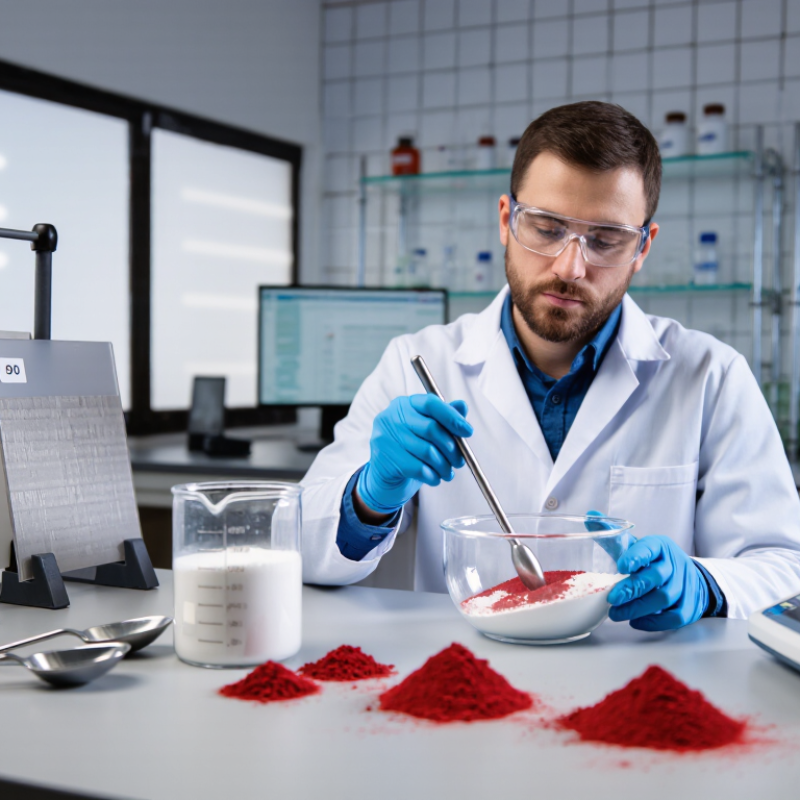
Understand the Role and Benefits of Redispersible Emulsion Powder
How to Choose Redispersible Emulsion Powder?
Redispersible emulsion powder is a dry polymer material that improves the performance of cement-based mixtures. When water is added, it redistributes and forms a flexible polymer film. This film helps bind particles, reduce cracking, and improve adhesion to concrete, masonry, and insulation boards. The powder also supports better water resistance and abrasion resistance.
Selection should follow the application, not only the lowest price. For tile adhesive, look for strong adhesion and open-time support. For exterior insulation systems, flexibility and resistance to freeze-thaw cycles matter more. A repair mortar may need balanced bonding, workability, and reduced shrinkage. Check the technical data sheet for polymer content, recommended dosage, glass transition temperature, and compatibility with other additives. Small differences can affect a wall’s surface.
Mixing practice is equally important. In field trials, I check whether the powder disperses evenly after several minutes of mixing. Lumps often signal poor sequence control or insufficient water. Keep the powder dry before use. It is not magic. Excessive dosage can increase cost, air entrainment, or tackiness, while too little may leave a brittle surface. I still compare trial panels after curing, because laboratory results do not always match dusty sites, changing weather, or different cement batches. A careful choice connects the powder’s role with the real failure risks of the finished material.
How to Choose Redispersible Emulsion Powder?
The right redispersible emulsion powder should be selected according to the performance priorities of the dry-mix formulation. The chart shows an indicative evaluation weighting for common cement-based applications.
Adhesion and flexibility are usually essential for tile adhesives, renders, and repair mortars. Workability, water resistance, compatibility, and dosage should then be balanced according to the application, substrate, climate, and required durability. Final selection should always be confirmed through laboratory testing.
Identify the Required Performance for Your Application
Choosing redispersible emulsion powder starts with the application, not the product catalogue. A tile adhesive needs strong adhesion, open-time control, and slip resistance. An exterior insulation mortar needs flexibility, water resistance, and reliable bonding after thermal cycling. For repair mortar, crack tolerance may matter more than maximum strength. The target should be measurable.
The 2023 UNEP Global Status Report for Buildings and Construction states that buildings consumed about 32% of global energy and produced around 34% of energy-related carbon dioxide emissions in 2022. This increases demand for durable insulation systems. In such systems, compare tensile adhesion, elongation, water absorption, and freeze-thaw performance. EN 13499 and EN 13500 testing can help assess external thermal insulation mortars. EN 12004 is useful when evaluating cementitious tile adhesives. Test the complete formulation, not powder alone.
Small details matter. A laboratory mix may use clean sand, controlled water, and perfect curing. A construction site may use humid sand, uneven mixing, and a hot wall. I have seen a high-strength formula fail because it became too rigid. That result was disappointing, but informative.
Choose the polymer according to the failure risk: debonding, cracking, water ingress, or poor workability. Review technical data, batch consistency, and storage stability. Ask for independent test records where possible. A lower dosage can reduce cost, yet it may weaken adhesion after wet exposure. More powder is not automatically safer. Sometimes, the real issue is the mortar design.
Evaluate Compatibility with Cementitious and Gypsum-Based Systems
How to Choose Redispersible Emulsion Powder?
Evaluate Compatibility with Cementitious and Gypsum-Based Systems
Choosing redispersible emulsion powder starts with the binder, not the product label. Cementitious mortars usually demand strong alkaline resistance, reliable adhesion, and controlled water absorption. Gypsum-based systems require different behavior during setting, drying, and surface finishing. A powder that performs well in tile adhesive may behave poorly in gypsum filler. Test the complete formulation.
Start with small batches. Blend the powder into the actual cement or gypsum recipe, using the planned water ratio. Observe mixing time, lump formation, air entrainment, and paste smoothness. After curing, measure adhesion, flexibility, water resistance, and surface hardness. Temperature and humidity also matter. Laboratory results can change significantly under site conditions.
For cementitious systems, check compatibility with hydration and alkaline exposure. Excessive polymer may delay setting or increase air content. For gypsum systems, monitor setting time, water retention, sanding behavior, and shrinkage. A quick water test can mislead. I once saw excellent initial adhesion disappear after repeated drying cycles. That result forced a dosage adjustment and a second trial.
Read the technical data, but verify it independently. Compare several dosage levels rather than testing one fixed amount. Small changes matter. Record every result, including poor workability and unexpected foam. Those failures often reveal compatibility problems earlier than final strength data. A practical choice should support the whole system, from mixing and application to curing and long-term performance.