What is Sliding Aluminium Doors and Why Choose Them?
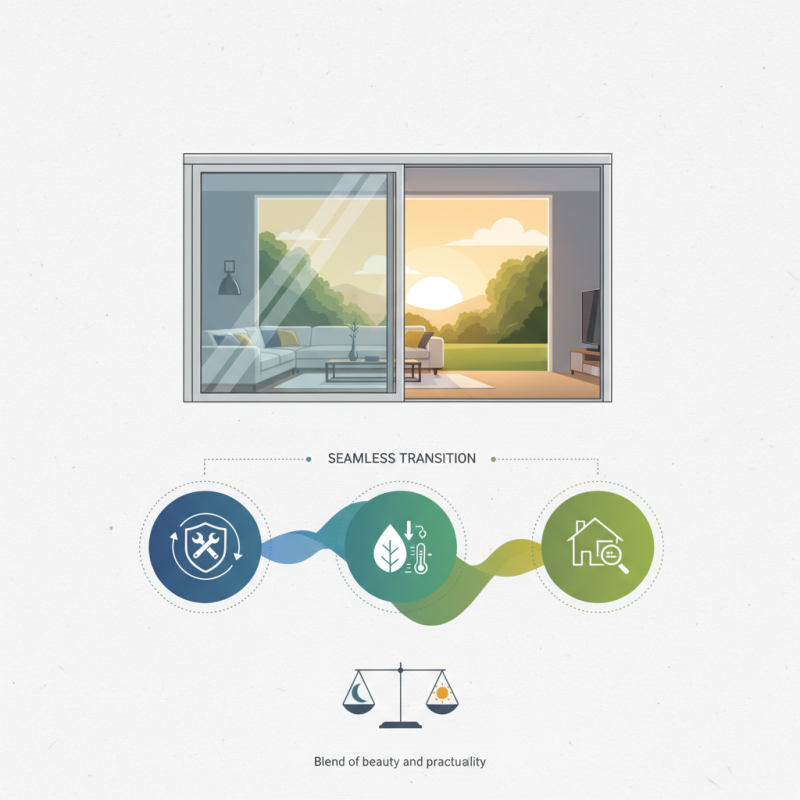
Sliding Aluminium Doors have become a popular choice in modern architecture. These doors combine functionality and style, making them ideal for various settings. They provide a seamless transition between indoor and outdoor spaces, which is especially appealing in homes and commercial buildings.
One of the main advantages of Sliding Aluminium Doors is their durability. Aluminium is resistant to weather conditions, corrosion, and wear. This means they last longer than many other materials. However, one must consider the potential for scratches and dents, which can affect aesthetics over time. Regular maintenance can mitigate this issue.
Another important factor is energy efficiency. With proper sealing, these doors can significantly reduce energy costs. Yet, poorly installed doors may not provide the expected insulation, leading to discomfort. Homeowners should consult experts to ensure optimal installation. In conclusion, Sliding Aluminium Doors offer a blend of beauty and practicality.
What Are Sliding Aluminium Doors? A Comprehensive Overview
Sliding aluminium doors are gaining popularity due to their sleek design and functionality. These doors consist of lightweight aluminium frames with large glass panels, creating a modern look. They allow natural light to flood into spaces, enhancing the atmosphere. With minimal frames, users can enjoy unobstructed views of the outdoors.
When considering sliding aluminium doors, there are a few important tips. Ensure proper installation to avoid issues with movement and alignment. Also, consider energy efficiency. Look for options with thermal breaks to improve insulation. Routine maintenance is essential too. Clean tracks and inspect seals regularly to ensure longevity.
Choosing the right sliding door can be challenging. Think about the space and style. Not every sliding door will fit every home aesthetic. Some might prefer a traditional appearance, while others lean towards contemporary designs. Take the time to visualize how the door complements your home. A hasty decision can lead to dissatisfaction later.
Key Benefits of Sliding Aluminium Doors in Modern Architecture
Sliding aluminium doors have become a popular choice in modern architecture, providing both aesthetic appeal and functionality. These doors allow for expansive views and natural light, enhancing the ambiance of any space. The sleek designs integrate seamlessly with various architectural styles, from contemporary to minimalist.
One of the key benefits of sliding aluminium doors is their durability. Aluminium is a strong material that withstands the elements well. It resists corrosion and requires minimal maintenance over time. Many homeowners appreciate this low upkeep, but some might need to consider the initial investment. Aesthetics play a significant role too; their clean lines can transform ordinary spaces into sophisticated areas.
Energy efficiency is another crucial aspect. Many sliding aluminium doors come with thermal breaks to minimize heat transfer. This helps maintain indoor temperatures, which can lower energy costs. However, potential buyers should reflect on their specific climate needs. The sliding mechanism offers easy access to outdoor areas, improving flow in a home. Yet, the installation process may require professional expertise to ensure proper function and alignment.
Comparative Analysis: Sliding Aluminium Doors vs. Traditional Doors
Sliding aluminum doors have gained popularity due to their sleek design and functionality. A comparative analysis reveals significant differences when weighed against traditional doors. For instance, a report by the American Institute of Architects indicates that homes with sliding doors can enhance natural light by up to 30%. Traditional doors often restrict light, resulting in darker spaces.
Moreover, the thermal efficiency of sliding aluminum doors is noteworthy. According to the National Fenestration Rating Council, aluminum doors with thermal breaks can achieve energy savings of up to 25% compared to wooden counterparts. However, concerns about aluminum’s thermal conductivity persist. Some users find that uninsulated aluminum can lead to increased energy costs during harsh weather.
In terms of maintenance, sliding aluminum doors require less upkeep than traditional doors. They do not warp, crack, or swell over time. Yet, the tracks must be regularly cleaned to ensure smooth operation. Neglecting this can lead to complications. Understanding these factors is crucial before making a decision on door types.
Industry Trends: Market Growth and Demand for Sliding Aluminium Doors
The demand for sliding aluminium doors is growing swiftly, driven by various industry trends. According to a recent market report, the sliding door market is projected to reach a valuation of $7 billion by 2027, expanding at a CAGR of over 5% from 2023. This growth reflects an increased preference for modern, efficient designs in residential and commercial spaces.
Architects and builders are increasingly opting for sliding aluminium doors due to their sleek aesthetics and energy efficiency. They offer seamless transitions between indoor and outdoor spaces. Nearly 60% of surveyed architects indicated a preference for these doors due to their thermal performance and low maintenance requirements. Furthermore, advancements in manufacturing technologies have improved durability, making these doors a reliable choice. However, some concerns remain, such as the initial cost and potential difficulties in installation.
The shift towards sustainable living is also influencing their popularity. Sliding aluminium doors can enhance natural lighting and ventilation while reducing energy consumption. This is crucial in a world increasingly focused on climate change. As urban designs continue to evolve, sliding aluminium doors stand as a testament to both style and sustainability, catering to the needs of modern consumers while addressing environmental concerns.
What is Sliding Aluminium Doors and Why Choose Them? - Industry Trends: Market Growth and Demand for Sliding Aluminium Doors
| Feature | Description | Market Demand | Growth Rate (2023-2028) |
| Aesthetics | Modern, sleek designs that complement various architectural styles. | High demand in residential and commercial sectors. | 5.5% |
| Durability | Resistant to weathering and corrosion, ensuring longevity. | Growing preference for long-lasting materials. | 6.0% |
| Energy Efficiency | Improved insulation capabilities reducing energy costs. | Increasing demand for energy-efficient solutions. | 4.8% |
| Customization | Availability in various sizes, colors, and configurations. | Rising interest in bespoke design solutions. | 7.2% |
| Safety Features | Includes multi-point locking systems for enhanced security. | Consistent concern for home and business safety. | 5.0% |
Energy Efficiency and Sustainability of Sliding Aluminium Doors
Sliding aluminium doors are gaining popularity in modern architecture, primarily due to their energy efficiency and sustainability features. These doors provide large openings that maximize natural light, reducing the need for artificial lighting. By utilizing double or triple glazing, they create effective thermal insulation. This means homes stay warmer in winter and cooler in summer.
Aluminium is a recyclable material, making sliding doors a sustainable choice. Their long lifespan reduces the frequency of replacement, which is beneficial for the environment. However, not all aluminium doors are created equal. It’s essential to choose ones with good thermal breaks and proper sealing to enhance energy performance. Some homeowners may overlook this aspect, leading to inefficiencies.
In a world that increasingly values sustainability, sliding aluminium doors present a practical solution. They do more than just save energy; they contribute to reduced carbon footprints. Yet, the initial investment can be a concern. It’s crucial for consumers to weigh long-term energy savings against upfront costs. This reflection can guide better choices for a greener future.