7 Best Aluminum Composite Panel Factories for Global Buyers
Aluminum composite panels are widely used on building façades, signage, and interior surfaces. Their appeal is practical: low weight, flat appearance, and broad finish options. But global buyers need more than a convincing sample. Core composition, coating thickness, dimensional tolerance, and batch consistency can differ between suppliers.
The building sector gives this choice wider significance. The 2024 Global Status Report for Buildings and Construction, published by UNEP and the Global Alliance for Buildings and Construction, estimates that buildings and construction account for about 32% of global energy use and 34% of energy-related carbon dioxide emissions. Those figures do not measure panel demand directly. They do underline why façade performance and product documentation deserve careful review. Market estimates also vary by research firm and product scope, so headline growth forecasts should be treated as directional, not guaranteed.
Choosing an Aluminum Composite Panel Factory means checking how claims hold up in production. Ask for current test reports, traceable material specifications, coating details, and evidence of quality controls. Compare how each factory manages color matching, protective film, packaging, and delivery schedules. A sample can look excellent under showroom lights. Details matter. Verify its finish in natural light and confirm that production batches can match it. A polished brochure is not proof, and even a strong factory may have limits in customization or capacity. This guide reviews seven factories through practical criteria, helping buyers compare capabilities, documentation, and communication before requesting quotations.
Aluminum Composite Panels: Materials, Structure, and Main Applications
Aluminum Composite Panels: Materials, Structure, and Main Applications
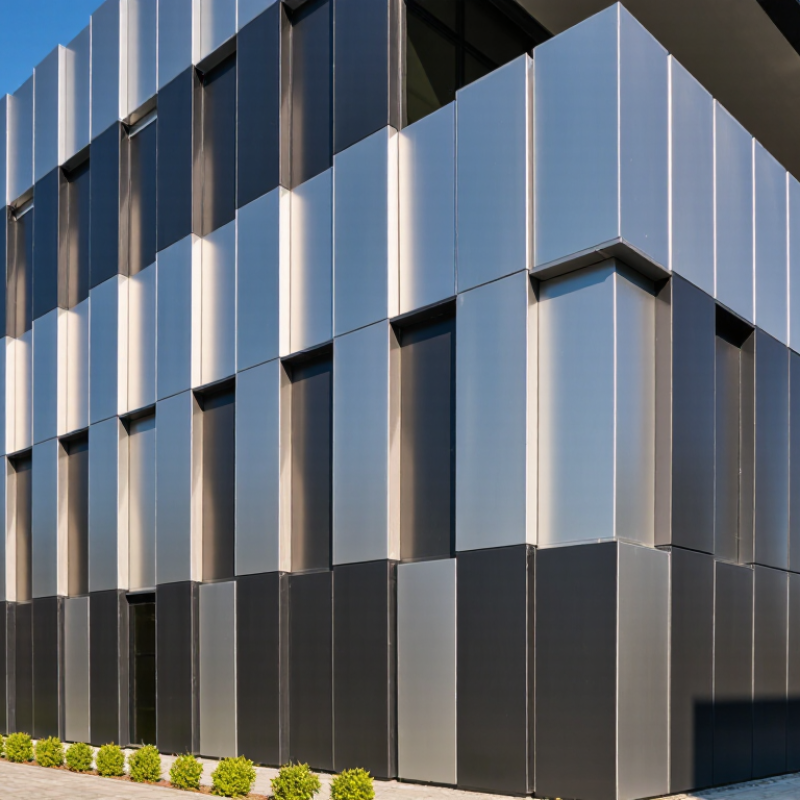
Aluminum composite panels combine two thin aluminum skins with a lightweight central core. The skins provide stiffness, while the core reduces weight and improves handling. Common cores include polyethylene and mineral-filled compounds. Coatings protect the surface from sunlight, moisture, and everyday abrasion. Finish quality matters. Uneven coating can become obvious under strong afternoon light.
Panel structure affects performance in real projects. Thicker aluminum skins usually improve rigidity and resistance to dents. A properly bonded core also helps prevent separation during temperature changes. On construction sites, installers should check panel flatness, edge condition, and protective film before cutting. A small storage mistake can create visible bending later. Fire performance must be verified through recognized testing, not assumed from appearance.
Tips: Match the panel to its application. Facades need weather resistance and suitable fire performance. Interior walls may prioritize color, cleanability, and impact resistance. Signage often benefits from easy routing and precise folding. Keep panels flat, dry, and away from direct heat. Review technical data and test reports before purchase. One overlooked detail is joint design; poor spacing can cause stress, noise, or water entry. Selection is not always perfect, so project teams should record site conditions and reassess specifications when needed.
How the Seven Best Factories Were Selected
Selecting the seven best Aluminum Composite Panel Factories required more than comparing glossy catalogs. We reviewed production records, export experience, and documented quality procedures. Factory visits or verified video audits helped us examine core equipment, storage areas, and panel assembly lines. Small details mattered, including clean protective film, dry warehouses, and clearly labeled coil batches.
Material performance received close attention. We requested samples with different aluminum thicknesses, coating types, and core options. Independent test reports were checked against stated fire, weather, and bonding performance. We also examined color consistency, flatness, peel strength, and cutting accuracy. A reliable factory should explain its testing method, not only display a certificate. That distinction often reveals practical expertise.
Supplier communication influenced the final selection. We compared technical drawings, packing methods, lead-time records, and responses to difficult questions. Factories with traceable raw materials and stable inspection routines scored higher. References from overseas buyers added useful evidence, although references can be selective. One weakness remains. Factory capacity changes during busy seasons, so a strong audit cannot guarantee every future shipment. Buyers should still approve a production sample and define inspection points before payment. The seven selected factories showed the clearest balance between manufacturing control, technical knowledge, export reliability, and honest communication.
Factory Profiles: Products, Capacity, Certifications, and Technology
For global buyers, the strongest aluminum composite panel factories reveal more than attractive catalogs. A useful profile records panel thickness, core type, coating system, maximum sheet width, and annual output. Grand View Research reported steady growth in the global aluminum composite panel market, supported by facade renovation and commercial construction. Capacity matters, but unused capacity is not delivery performance. Ask for recent production records.
The seven factories compared here use different strengths. Some specialize in fire-retardant mineral cores, while others focus on lightweight polyethylene cores, brushed finishes, or stone-textured surfaces. Better plants operate continuous coil-coating and lamination lines. Inline gauges check thickness, flatness, and bonding pressure. Several facilities also use CNC routing for folded facade panels. Small details matter.
Certifications deserve careful inspection. ISO 9001 supports process control, while ISO 14001 indicates structured environmental management. EN 13501-1 and ASTM E84 test fire behavior under defined conditions, not every installation scenario. The 2024 Global Status Report for Buildings and Construction continues to emphasize material efficiency and emissions reduction, making recycled aluminum content increasingly relevant. Still, a certificate alone proves little. Buyers should verify certificate scope, testing dates, factory addresses, and batch traceability. Some capacity claims look impressive, yet lead times remain vague. That is a weakness worth questioning.
Comparing Quality, Customization, Pricing, and Global Delivery
Choosing among the 7 best aluminum composite panel factories requires more than comparing quotations. Quality begins with core density, coating thickness, flatness, and fire-performance documentation. Factory audits should include coil storage, lamination temperature records, and batch traceability. ASTM E84 and EN 13501-1 test reports are useful references, but buyers should verify the laboratory and report date. The Global Aluminum Composite Panels Market Report by Grand View Research identifies construction demand as a major growth driver, increasing pressure on factories to scale without weakening inspection controls.
Customization can include panel thickness, alloy grade, surface texture, color matching, CNC routing, and protective film options. Ask for a physical sample under daylight. Digital color images can mislead. Pricing should be compared by finished square meter, not panel price alone. Include packaging, tooling, inland transport, duties, spare panels, and warranty terms. A cheaper offer may hide thinner aluminum skins or weaker cores. I have seen specifications accepted too quickly, then revised after installation. That mistake is expensive.
Tips: Request three samples from each shortlisted factory. Test coating adhesion, corner strength, and dimensional tolerance. Confirm minimum order quantities and production lead times in writing. For global delivery, compare port choices, packing photos, container loading plans, and insurance coverage. The World Bank’s 2023 Logistics Performance Index shows major differences in customs and shipment reliability between countries. Delivery promises need evidence. A factory with excellent panels may still fail a project through poor export coordination.
How Global Buyers Can Choose the Right Factory
7 Best Aluminum Composite Panel Factories for Global Buyers
How Global Buyers Can Choose the Right Factory
Choosing an aluminum composite panel factory requires more than comparing quoted prices. Start with production evidence, not attractive brochures. Request recent test reports for peel strength, coating thickness, fire performance, and weather resistance. Confirm whether the tested panel matches the proposed core, alloy, and surface finish. A factory should explain tolerances clearly. Vague answers deserve attention.
Material control matters greatly. Ask for aluminum alloy certificates, coating specifications, and batch traceability records. The International Aluminium Institute reports that recycled aluminum needs about 5% of the energy used for primary aluminum production. Therefore, buyers should verify recycled content claims through supplier records, not marketing language. Sustainability is valuable, but weak documentation can create expensive disputes.
Inspect the factory when possible. Walk past the coating line, core-forming area, and final packing station. Look for clean storage, calibrated instruments, and labeled samples. Independent testing can reveal differences hidden by factory samples. I would still request a second test; one certificate can hide a weak batch. Review export experience, container loading photos, lead times, and replacement procedures. The World Bank’s 2023 Logistics Performance Index evaluates customs, infrastructure, and shipment reliability across 139 economies. These factors can affect delivery as much as manufacturing capacity. Ask for a realistic production schedule, not the fastest promise. Small details often expose the real factory.