Top Assorted Hex Bolts for Global Buyers What to Look For?
In the realm of construction and manufacturing, Assorted Hex Bolts play a crucial role. These fasteners come in various sizes and materials, catering to a wide array of applications. When sourcing these bolts, factors like strength, corrosion resistance, and compatibility with materials are paramount.
Understanding the specific needs of your project will guide you in selecting the right assorted hex bolts. It's essential to consider the environment where these bolts will be used. For instance, outdoor use may require bolts made from stainless steel for enhanced durability. Relying on reputable suppliers can ensure that you source quality products.
However, the diversity in options can be overwhelming. Choosing the wrong type of bolt may lead to structural issues or safety hazards. It's wise to seek expert advice if you're uncertain about your choices. Engaging with knowledgeable professionals can illuminate the path to making informed decisions in your fastener selection.
Top Characteristics of Hex Bolts: Understanding Material Grades
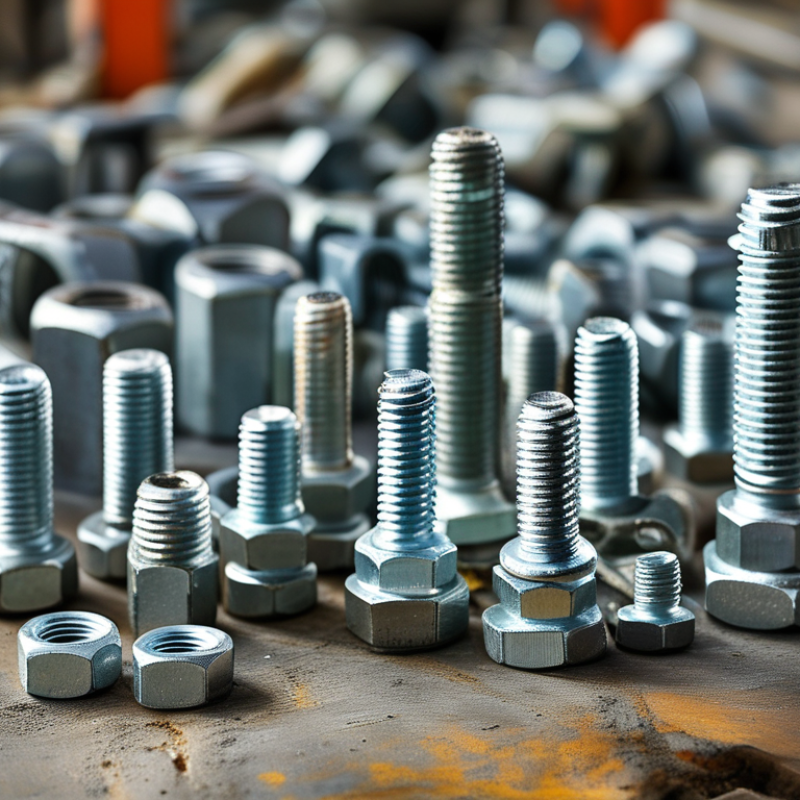
When selecting hex bolts, understanding material grades is vital. Different grades signal varying strength and corrosion resistance. Common grades are defined by systems like ASTM and ISO. For instance, Grade 2 bolts are low carbon steel with moderate tensile strength. In contrast, Grade 8 bolts are hardened steel, designed for heavy-duty applications.
Material choice impacts performance. Stainless steel bolts, for example, resist rust and oxidation, suitable for outdoor projects. On the other hand, some bolts might lack adequate protection. Low-grade materials can lead to premature failure. It’s essential to assess the environmental conditions where bolts will be used. Corrosive environments require higher-grade materials to ensure durability.
Manufacturing processes also affect bolt quality. Heat treatment can enhance strength but may introduce brittleness if not done correctly. Even finishing methods matter; poor plating can lead to issues like flaking or peeling. Buyers should check compliance and certifications for reliability. Misjudging these factors could result in costly mistakes.
Top Assorted Hex Bolts for Global Buyers: What to Look For?
| Material Grade | Corrosion Resistance | Tensile Strength (MPa) | Common Applications |
| Grade 2 | Low | 310 | General Purpose |
| Grade 5 | Medium | 600 | Automotive |
| Grade 8 | High | 1000 | Heavy Machinery |
| Stainless Steel | Very High | 700 | Marine Applications |
| Alloy Steel | Moderate | 850 | Construction |
Global Demand for Hex Bolts: Market Trends and Statistics
The global demand for hex bolts is steadily increasing. According to a recent market analysis report, the hex bolt market is projected to grow at a CAGR of around 4.5% from 2023 to 2030. This growth is driven by the booming construction and manufacturing sectors. In essence, the need for reliable fastening solutions is a constant priority in many industries.
Steel remains the primary raw material in bolt production. The market also shows a rising trend in the use of corrosion-resistant materials. This shift is essential, given the growing focus on durability and longevity in various applications. Companies are increasingly looking for hex bolts that not only meet mechanical standards but also provide optimal resistance to environmental factors.
Data from industry players suggest that Asia-Pacific is leading in hex bolt consumption. This region accounts for approximately 40% of global consumption due to rapid industrialization. With more projects underway, understanding material specifications and manufacturing processes becomes vital for buyers. However, challenges remain. The fluctuation of raw material prices can impact production costs significantly, requiring a more adaptive approach from manufacturers.
Key Performance Metrics for Choosing Hex Bolts in Various Applications
When selecting hex bolts for various applications, understanding key performance metrics is crucial. Material strength is a primary factor. High tensile strength ensures durability under stress. It's essential to choose bolts that can withstand heavy loads without bending or breaking. Corrosion resistance is another vital attribute. In outdoor settings or humid environments, galvanized or stainless steel bolts may be preferable to prevent rust.
Thread pitch and diameter are also important metrics. They influence how well bolts fit into their counterparts. A precise fit helps maintain structural integrity. Additionally, consider the grade of the bolts. Higher grade bolts offer better performance and longevity. However, they can also demand a higher price point, which may not always justify the cost for lighter applications.
Moreover, not all hex bolts are created equal. Sometimes, the manufacturing process can lead to inconsistencies. It's essential to verify that bolts meet specific industry standards. This step can save time and prevent future failures. While many factors come into play, weighing performance against cost is often a delicate balance. Choosing the right hex bolts is a thoughtful process that requires careful consideration and informed decisions.
Comparative Analysis of Standard vs. Custom Hex Bolts and Their Costs
When choosing between standard and custom hex bolts, it's crucial to understand cost implications. Standard hex bolts typically cost between $0.10 to $5.00 per unit, depending on size and material. On the other hand, custom hex bolts can range from $2.00 to $15.00 or even more. This discrepancy is often attributed to the unique specifications and manufacturing processes involved. Custom options may seem expensive upfront, but they can offer better fit and strength for specific applications.
A critical factor in evaluating hex bolts is material selection. Standard bolts often use carbon steel or stainless steel. Custom bolts can be made from specialized alloys, offering enhanced corrosion resistance or load-bearing capacity. Industry data suggests that using a custom bolt designed for high-stress environments may extend the life of assemblies by up to 30%. However, buyers must analyze potential waste. Over-specifying custom bolts without a clear need can lead to excess inventory and increased costs.
Custom hex bolts also present an interesting challenge in lead time. Standard bolts are widely available, ensuring quick delivery. In contrast, custom orders may take several weeks due to production schedules. This can impact project timelines, making it essential to balance immediate needs with long-term goals. Buyers should weigh the benefits of custom solutions against their specific requirements and timelines.
Comparative Analysis of Standard vs. Custom Hex Bolts Costs
Importance of Certifications and Standards for Hex Bolt Quality Assurance
When sourcing hex bolts, certifications and standards are essential for quality assurance. Recent data from industry reports indicate that certified hex bolts show a 30% decrease in failure rates compared to unverified products. Certifications, such as ISO 9001, ensure manufacturers adhere to quality management principles. This is crucial for global buyers looking for reliable and safe fastening solutions.
Moreover, the importance of compliance with standards extends beyond safety. It often correlates with greater durability and performance. According to a survey by the Fastener Quality Act, nearly 50% of engineers cited that non-compliant bolts directly impacted their projects, leading to increased costs and delays. Buyers should look for bolts that meet international standards like ASTM, DIN, or BS. These standards provide assurances about manufacturing processes and materials used, encouraging accountability within the supply chain.
It's worth noting that not all certifications guarantee quality; some may be outdated or misrepresented. Buyers must actively verify the certifications presented by suppliers. This diligence can prevent costly mistakes and ensure that the selected hex bolts meet their project's specific requirements, balancing reliability and performance effectively.