Why Choose Fixed Window Solutions for Global Projects?
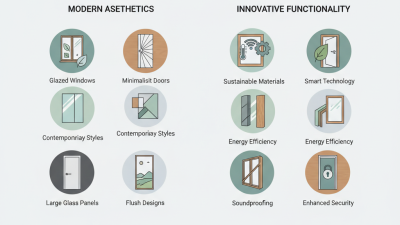
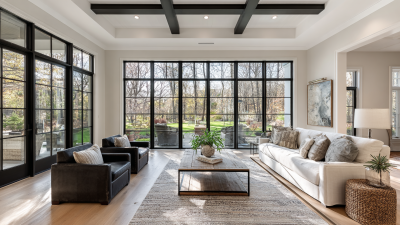
Global building projects rarely fail because of one dramatic choice. Small decisions, such as window selection, often shape comfort, cost, and maintenance for decades. A fixed window offers a clear starting point. It has no opening hardware, fewer moving parts, and a stable sealed frame. This simplicity can support consistent performance across offices, schools, hotels, and residential developments.
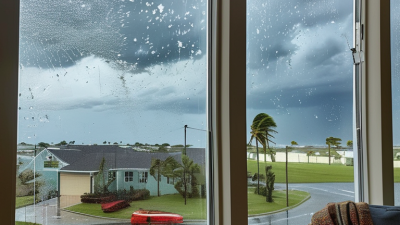
For international teams, standardization matters. A fixed window can be specified in repeatable sizes and coordinated with curtain walls, insulation layers, and façade modules. In coastal climates, properly tested glazing and corrosion-resistant frames may reduce maintenance concerns. In colder regions, low-emissivity glass and suitable spacers can help limit heat loss. Experienced façade consultants still review local wind loads, solar exposure, drainage details, and installation quality before approval. Product data alone is not enough.
The choice is not universally perfect. A fixed window cannot provide natural ventilation, and cleaning access may require careful planning. That weakness matters. A balanced design may combine fixed units with operable sections, shading devices, or mechanical ventilation. Project teams should compare whole-life value, not only purchase price. Site mock-ups, documented testing, and supplier references can reveal problems before mass production begins. In practice, the best solution depends on climate, building use, workmanship, and long-term maintenance capacity. That is why fixed window solutions remain practical for global projects, when their limits are understood as clearly as their strengths.
What Are Fixed Window Solutions in Global Construction?
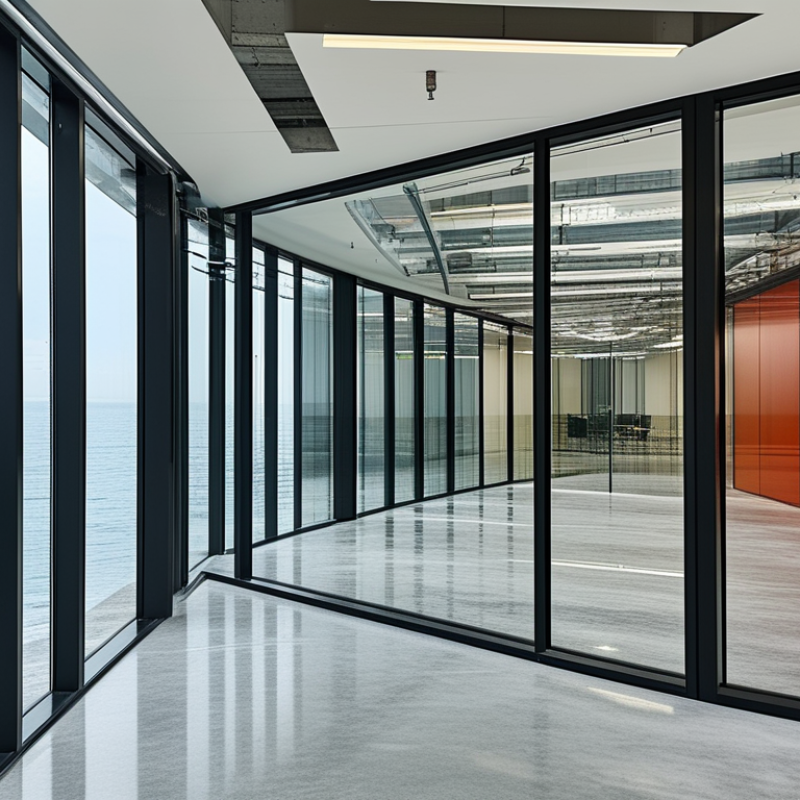
Fixed window solutions are non-operable glazed units designed to remain closed. They use a frame, sealed glass panel, gaskets, and perimeter fasteners. Unlike opening windows, they do not require hinges, handles, or ventilation hardware. They stay closed. That matters.
In global construction, fixed windows often form part of a larger façade system. Their dimensions can be coordinated with concrete openings, steel frames, and interior finishes before fabrication. On a coastal project, laminated or insulated glass may help manage wind, moisture, and temperature changes. In a cold region, low-emissivity glazing can reduce heat loss. In warmer climates, solar-control glass may limit glare and indoor heat. These choices require local climate data, structural calculations, and applicable building codes.
Installation experience shows that the window itself is rarely the only risk. Uneven openings, incorrect drainage paths, and rushed sealant work can undermine good materials. A small gap around the frame may later cause water entry. Therefore, qualified teams should inspect tolerances, anchoring, flashing, and sealant continuity on site. Testing can include air leakage, water penetration, and load performance. Fixed units also reduce moving-part maintenance, but they cannot replace natural ventilation where occupants need fresh air. This limitation is easy to overlook. A practical design may combine fixed glazing with separate ventilation systems or selected operable sections, depending on the building’s purpose and local requirements.
Why Choose Fixed Window Solutions for Global Projects? — What Are Fixed Window Solutions in Global Construction?
Fixed window solutions are non-opening glazed units designed to provide daylight, views, and weather protection without operable hardware. Their sealed construction can simplify airtightness and reduce maintenance requirements, provided that the frame, glazing, fabrication, and installation are properly specified.
Chart context: The values show the maximum air permeability permitted at 100 Pa under EN 12207. Lower values indicate better airtightness. Class 4 permits a maximum of 0.75 m³/(h·m²), making it the most airtight classification shown. Fixed windows can support high-performance envelope strategies because they do not require operable seals or hardware, although the final result depends on the complete window system and installation quality.
Which Project Conditions Make Fixed Windows a Suitable Choice?
Fixed window solutions suit global projects when ventilation can be controlled mechanically. They work well in offices, hotels, hospitals, and high-rise buildings with centralized air systems. They also reduce moving parts, which can simplify maintenance across different regions. A reliable seal matters in dusty cities, coastal climates, and noisy urban locations.
Energy performance is another strong condition. The International Energy Agency reported in 2024 that buildings consume about 30% of global final energy and create around 26% of energy-related emissions. The 2023 UNEP Global Status Report also found that buildings and construction produce approximately 37% of global energy-related and process emissions. These figures make envelope decisions commercially important, not merely architectural.
However, fixed windows are not automatically efficient. They need carefully sized mechanical ventilation, effective solar shading, and climate-appropriate glass. Otherwise, sealed rooms may feel stuffy or overheat. This is where project teams sometimes make the wrong assumption. A fixed window may lower maintenance risks, but it cannot replace fresh-air design. Projects with frequent natural ventilation needs, limited mechanical systems, or changing occupancy may require operable sections. Testing local wind, humidity, dust, and cleaning access before specification remains essential.
How Are Fixed Window Solutions Selected, Installed, and Maintained?
Why Choose Fixed Window Solutions for Global Projects?
Fixed window solutions are selected according to climate, building use, and local performance requirements. Designers review solar exposure, wind pressure, humidity, insulation, and expected sound levels. A coastal project may need corrosion-resistant framing and carefully sealed joints. A cold-region building may require low heat transfer and insulated glazing. Experienced teams also check opening sizes against structural drawings before ordering. Small measurement errors can cause expensive delays. No selection is perfect without site evidence.
Installation depends on accurate alignment and controlled sealing. Installers should inspect the opening, confirm frame tolerances, and protect drainage paths. They should use compatible sealants and follow documented curing times. A level frame matters. Poor alignment can create pressure points, water leaks, or visible gaps. Independent inspections are useful, especially across different countries and subcontractor teams. Maintenance includes checking seals, fasteners, drainage channels, and glass condition. Records should include inspection dates, observed defects, and completed repairs. In practice, maintenance plans are sometimes too general. They need adjustment after the first seasonal cycle.
Tips: Request climate and structural data early. Approve shop drawings before fabrication. Photograph concealed seals during installation. Clean frames with suitable, non-abrasive materials. Never block drainage openings. Schedule inspections after severe weather, not only during annual reviews. Ask local professionals to verify requirements, because construction standards and site conditions vary.